

AI Is Reshaping Lighting Design: The Most Valuable Competency for Lighting Designers Is No Longer 'Being Able to Render'
Recently, I've seen some industry professionals discussing AI lighting.
Some say AI is not just a technology; it's more like a signal of the times. In the future, AI lighting will enter many scenarios such as commercial, artistic, and cultural fields, reshaping how many industries work.
Others mention that with AI intelligent systems, designers can simulate lighting effects in different scenarios in real time and immersively at the initial stage of a project, like stepping into virtual reality, and preview the finished scene in advance.
This sounds a bit grandiose.
But from the perspective of a lighting designer, I think we can keep things closer to home for now.
Things like AI lighting, sensors, brains, algorithms, cross-industry integration—these are certainly important, but they are still a bit far from the daily work of many ordinary lighting designers.
Let's first ask a more practical question:
Can AI help lighting designers stay up less late, do less rework, and suffer less from starting from scratch?
I think this question is more worthy of ordinary designers' attention than discussing what the future of lighting design will be.
Because most lighting designers face not grand terms like "industry transformation" but very specific problems every day.
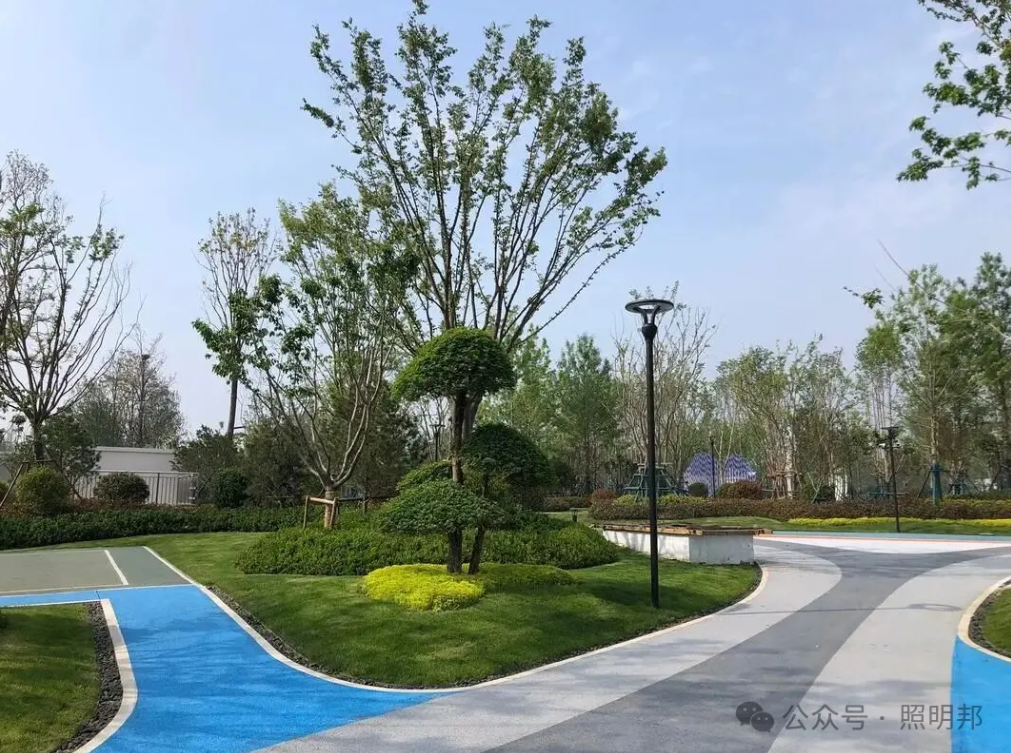
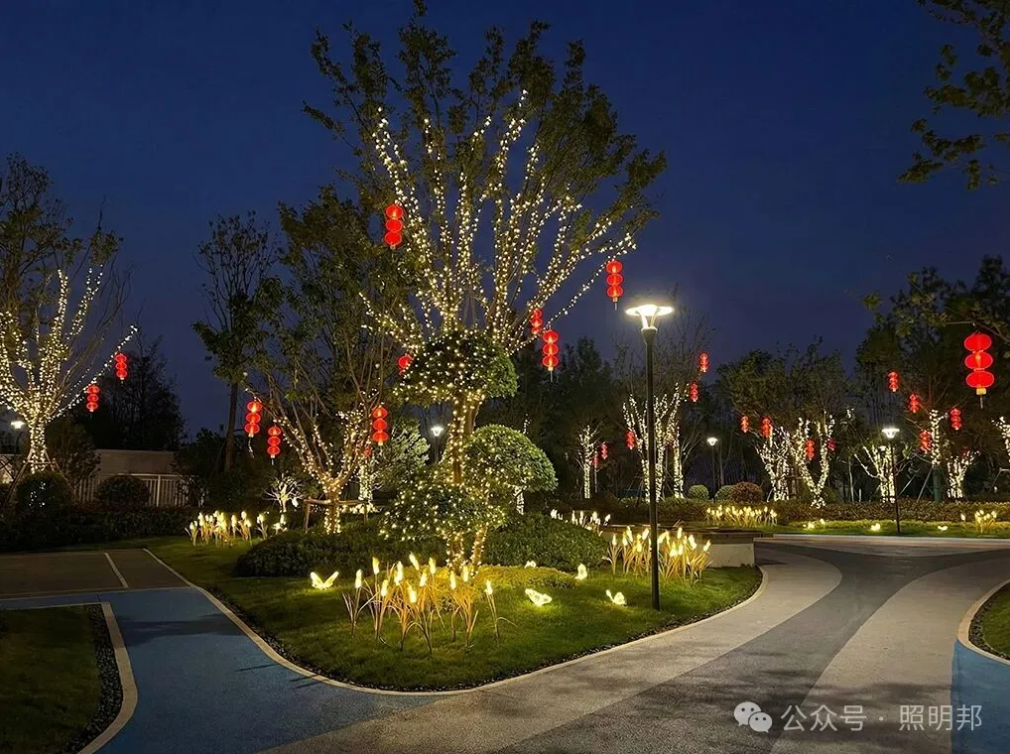
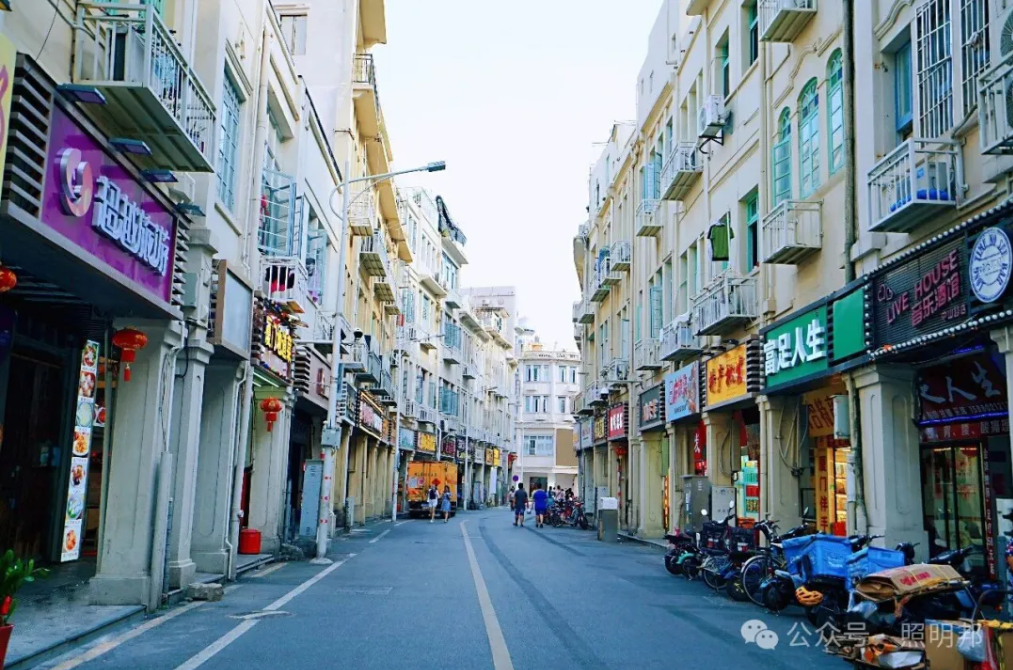
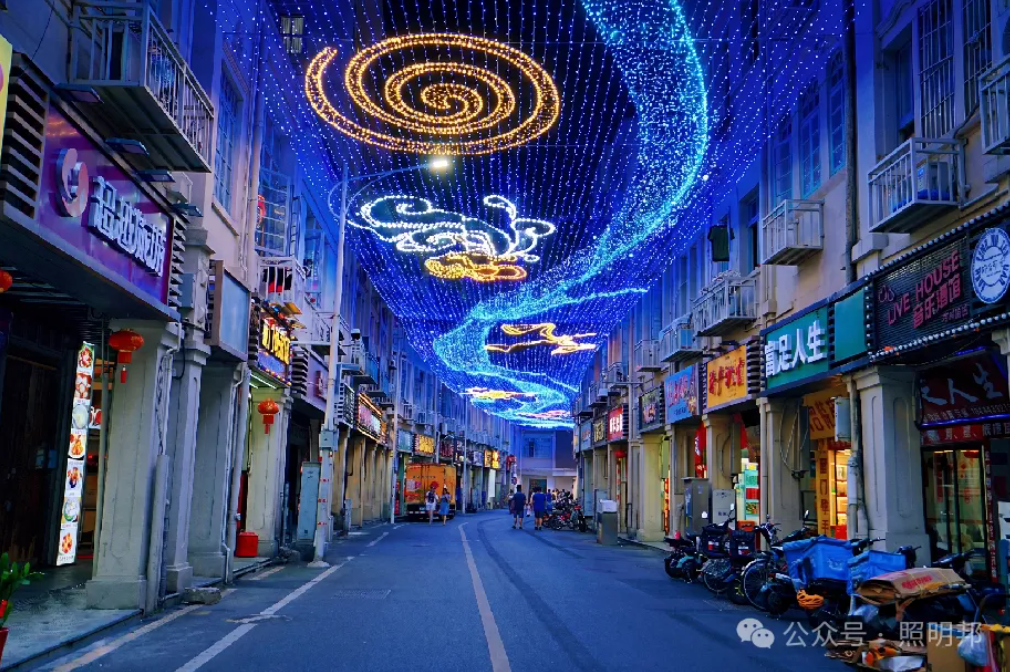
The client gives a daytime photo and wants to see what it looks like lit up at night.
The salesperson throws over a project and says the client needs it urgently—can you come up with a direction by tomorrow?
The boss looks at the render and says it's not grand enough—revise it.
The client wants a modern feel but can't articulate what "modern" means.
The designer is also in pain: should I use linear lights or wall washers? Warmer or cooler? Steady or lively?
In the past, most of these problems relied on experience, staying up late, and trial and error.
I've written before about why lighting designers work overtime—one reason is that projects are too urgent and require results in a short time.
Some rush jobs: you get the materials today, and they want the proposal yesterday.
When I worked at a company, I had no choice but to pull all-nighters. After starting my own studio, I usually directly refuse such projects.
It's not that I don't want to make money; it's that most of these projects are not design problems but problems with earlier communication and scheduling.
But now that AI is here, things have changed significantly.
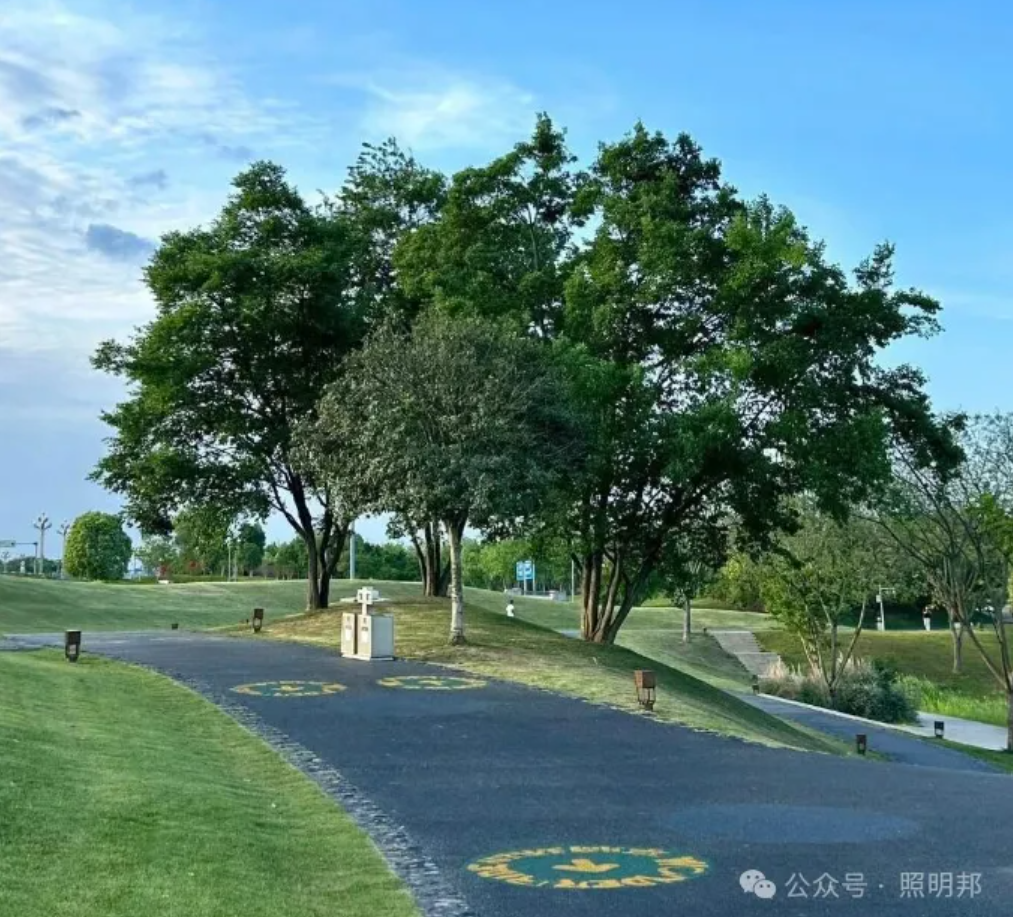
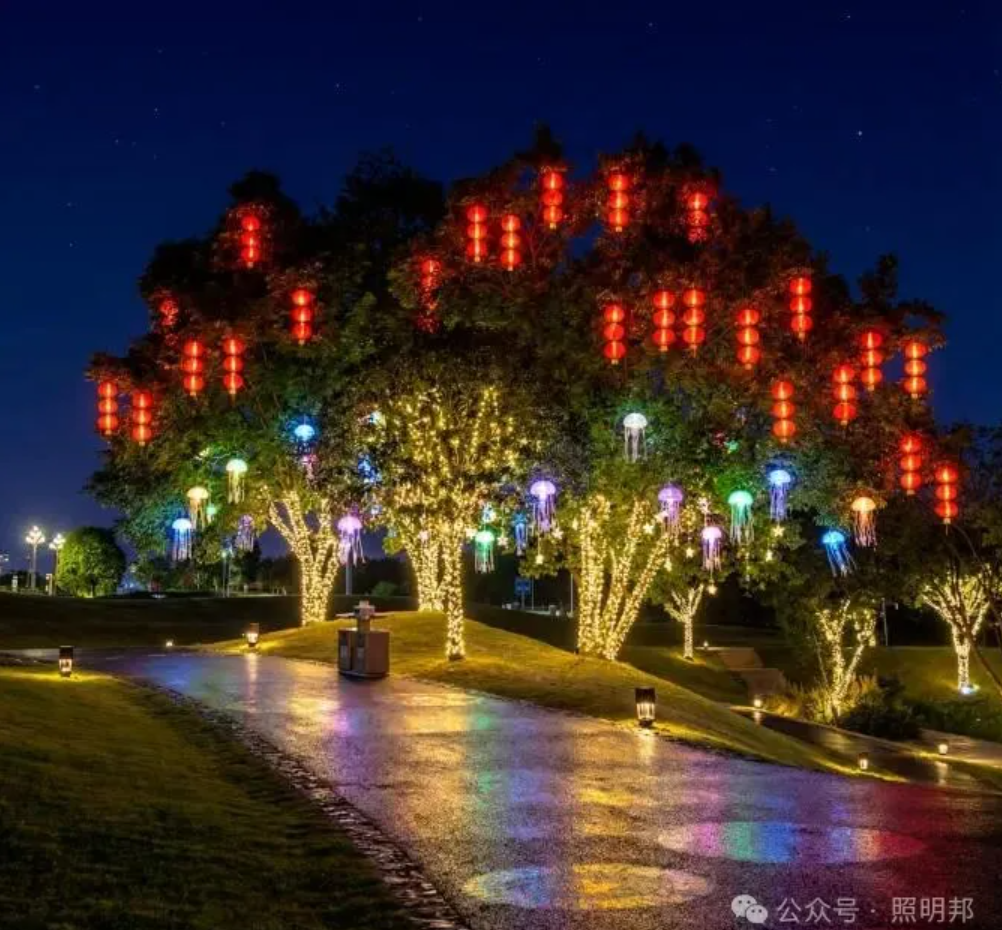
For example, I once finished 8 lighting renders in one day—not because that's the limit, but because the project only needed 8 images. On Anylight.net, it often takes just a few minutes to write prompts and then wait three to five minutes to generate a night lighting effect from a daytime photo.
For beginners, the generated lighting may not perfectly match the prompts 100%, but it's perfectly fine for exploring visual directions. For instance, with a building photo, you can quickly see:
What does warm lighting feel like? What does cool lighting feel like? What about a commercial street style? What about a cultural tourism night tour style? What if it's simple and modern? What if it's a bit more exaggerated?
In the past, designers had to try these out slowly by themselves.
Now you can let AI generate them directly. These images may not be directly used for construction, nor fully comply with fixture installation logic.
But they have one value: they quickly bring out the "feel."
Often, the hardest part in the early stages of lighting design is not the final construction drawings, but getting the client, sales, boss, and designer to have a shared understanding of the direction.
In the past, when people said "premium," "grand," "techy," or "atmospheric," everyone had a different picture in their minds.
The client says A, the salesperson translates it to B, and the designer understands it as C.
After endless revisions, everyone is exhausted.
If you can generate a few direction images at the start, even if rough, it can reduce a lot of ineffective communication.
This is what I think is the most practical value of AI for lighting designers.
It's not about replacing designers, but helping them enter discussions faster.
It's not about directly delivering the final solution, but first reducing the cost of trial and error.
It's not about telling you not to learn design, but about freeing your time from repetitive Photoshop edits to judge which solution is more suitable.
In the AI era, the truly important ability for lighting designers may gradually shift from "Can I make renders?" to:
Can I judge whether a render is correct, whether the direction is good, and whether it fits the project?
This is similar to a point I've made before.
AI will prioritize replacing repetitive, standardized, low-creativity work.
But complex judgment, creative direction, project understanding, and client communication—these are not so easily replaced.
The same goes for lighting design.
If a designer only mechanically produces renders and only makes changes as others demand, they will indeed become increasingly vulnerable.
But if you understand the project, the architecture, the client's needs, and the logic behind lighting effects, then AI becomes a huge efficiency tool.
In the past, you might only try two or three directions a day.
In the future, you can quickly try a dozen directions, then filter out the unreasonable ones and keep the inspiring ones.
In the past, you had ideas in your head but were slow to express them.
In the future, you can first use AI to generate a rough image, then deepen it based on that direction.
In the past, beginners couldn't understand why experts did things a certain way.
In the future, beginners can at least quickly build a sense of different lighting styles through a large number of AI-generated images.
More precisely, AI now acts more like an "early-stage direction generator." It's suitable for:
Quickly finding the feel Quickly producing directions Quickly comparing styles Quickly showing clients preliminary possibilities Quickly sparking the designer's own ideas
For actual implementation, it still relies on the designer's judgment.
This is also the ability lighting designers should most train in the AI era:
Not just to produce renders, but to judge renders.
Which render has value? Which render looks good but is not feasible? Which render has good lighting layers and can be further developed?
These judgments still come from industry experience.
So I think lighting designers don't need to fear AI.
What they should really fear is that others have already started using AI to improve efficiency while you remain stuck in your old ways.
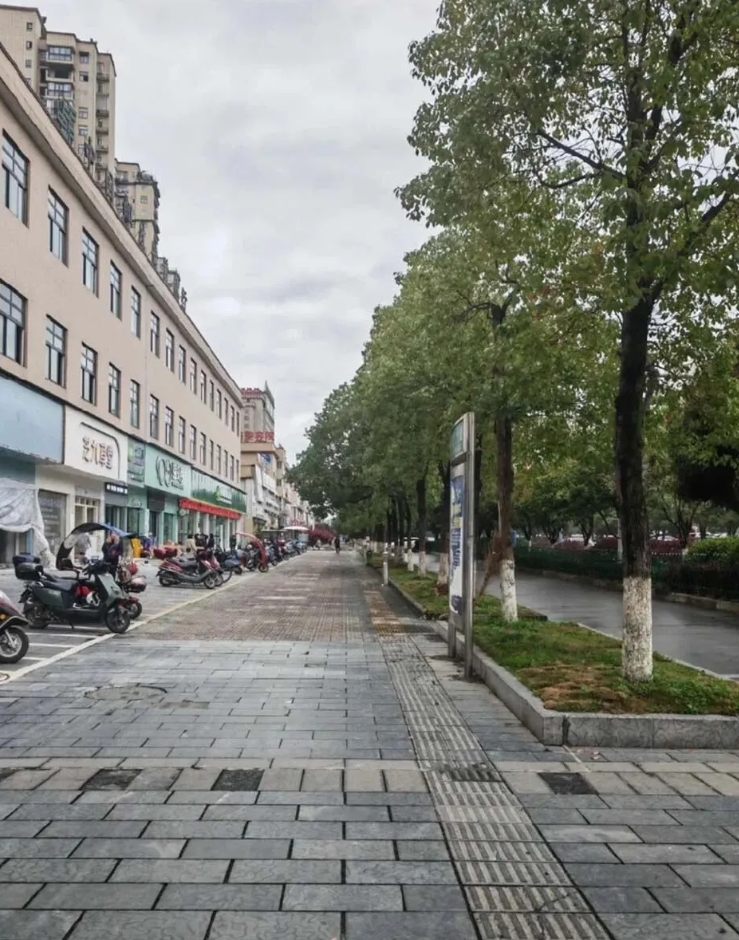
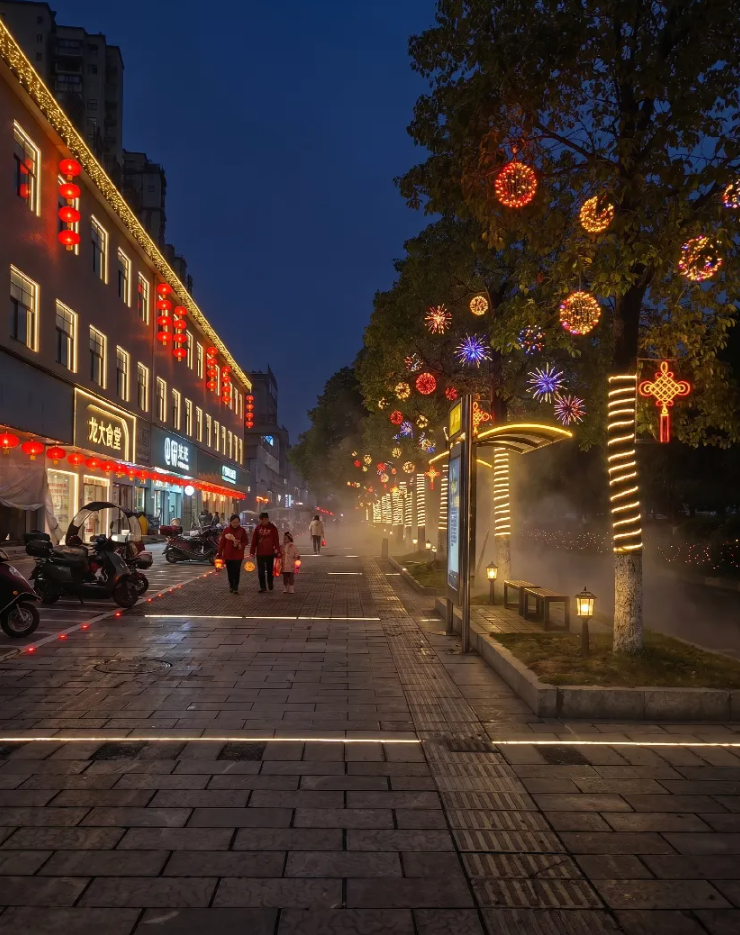
In fact, many lighting industry experts, with their rich design experience and deep understanding of fixtures, lighting, and projects, can often get satisfactory project lighting effects on Anylight with just three to five, or even one or two, image generations using accurate lighting prompts.
Of course, if you don't understand, that's fine. You don't need to immediately study complex AI image generation principles or learn many technical terms.
Start with the simplest step:
Take a daytime photo of a project, go to Anylight.net, use a lighting template, and try generating a lighting render to see if AI can help open up your thinking.
Currently, Anylight.net offers features like "Landscape Lighting Generation," "Reverse Lighting Prompt," "Guide AI to Light," "Fixture On Effect Generation," and "Lighting Effect Translation."
If you want Anylight to solve more of your work problems, such as:
Writing lighting design descriptions? Creating proposal PPTs? Generating fixture configuration suggestions? Or something else?
If there is indeed demand in this direction, I will add these features to Anylight later.
Need night lighting effect images fast?
Use Anylight to turn your daytime photos into professional night lighting visuals for architectural lighting, landscape lighting, cultural tourism lighting, and more.