

The One Taking Your Job May Not Be a Fellow Designer at All...
I came across an article about changes in the short drama industry.
Many people thought that in the AI era, short drama creators who use AI would replace those who don't.
But the interesting result is that many of those flooding into the AI short drama赛道 are not even from the short drama industry.
The newcomers are programmers, internet operators, stay-at-home moms...
They may not understand traditional filming, on-site coordination, or the old ways of the short drama industry.
But they know how to use new tools, iterate quickly, and produce videos directly.
Well, this situation fits perfectly into the lighting industry too, don't you think?
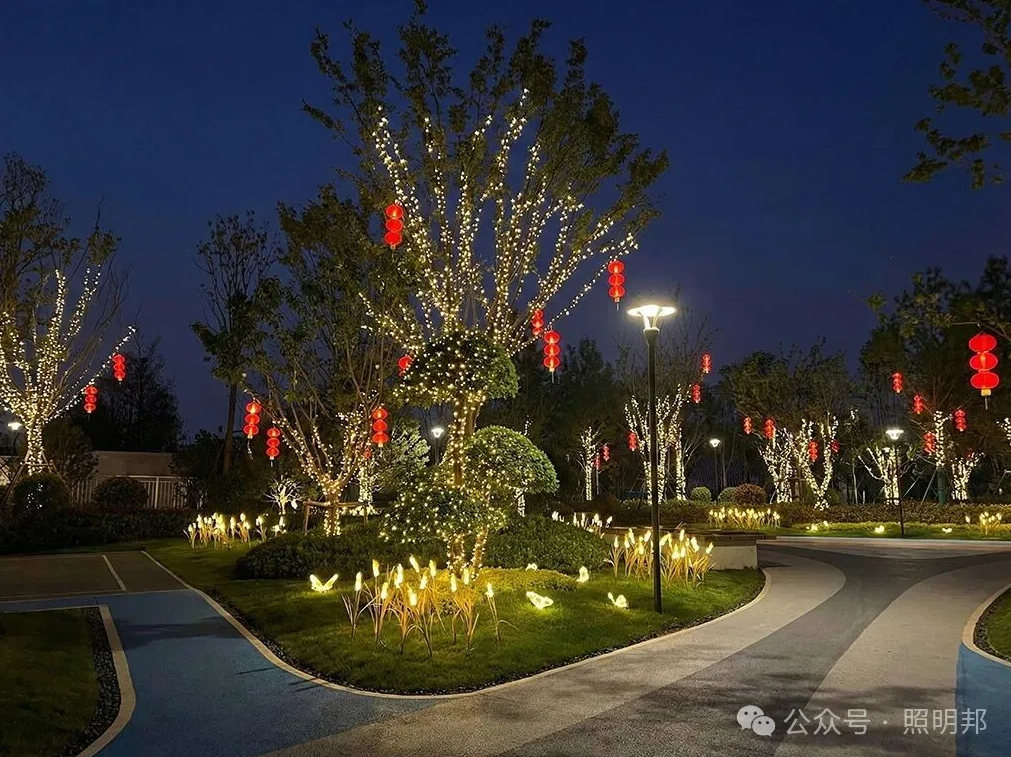
In the lighting design industry, in the past, an outsider who wanted to create a night scene effect could only talk about it. If they actually tried, they wouldn't know the steps, design methods, or lighting techniques.
And if a client wanted to see a night scene rendering or a lighting proposal, they basically had to go through a professional lighting designer.
After all, a lighting rendering good enough for a presentation isn't something just any designer can produce.
So in the past, designers naturally held a relatively important and irreplaceable position.
This position matters because it represents your value.
But now, things are starting to change.
I'm not saying AI will replace lighting designers, but with AI, many outsiders can now enter the field. Many lighting renderings may no longer be made by professional lighting designers.
Especially with platforms like Anylight.net, which specialize in generating lighting effects, many ideas that could only be described verbally can now be turned into compliant lighting images with some skill.
In fact, the lighting renderings clients see today might be made by architectural designers who take daytime building images and generate lighting effects directly in Anylight.
Or they could be made by the招商运营 team, who create a version of lighting renderings for leadership before the project even hires a design firm.
Or they could be made by salespeople at lighting fixture companies, who, before providing parameter sheets and quotes, casually show clients what the building might look like with lights installed.
Or even graphic designers at advertising agencies, who already have an eye for aesthetics, layout, and visuals, and now with Anylight, they can make building night scenes look convincing.
Can you believe it???
None of these people are lighting designers, but they can all use AI to produce lighting images.
Many lighting designers are still focused on their peers, but the ones who will really take your job may not be peers at all.
That's the most brutal part of the change.
Of course, there are still many things AI cannot replace in lighting: on-site work, budgets, fixture selection, control systems, construction implementation, maintenance costs, and those vague but mandatory client requirements.
These cannot be solved by just generating a few images.
But the problem is that AI is redistributing the entry point where lighting designers used to stand. Many who previously had no ticket to enter suddenly have a stepping stone.
Many industries are being changed by AI not starting from the core professional links, but from the front-end presentation link.
Because effects are the most visible.
Clients can't understand fixture parameters, lighting methods, or control systems.
But clients understand images.
They can see whether a building looks good when lit up.
They can see whether a street has a commercial atmosphere.
So whoever can produce visuals faster is more likely to enter first, occupy the client's mind, and make it harder for you to change their perception later.
This is the most realistic impact of AI on lighting designers.
Of course, I'm not saying designers are worthless.
On the contrary, I think someone who understands lighting, knows how to use AI, and can clearly explain a plan will be even rarer than before.
But the prerequisite is that you can't just stick to your old way of working.
If you still think, "I'm a professional designer, clients will eventually have to come to me," then you might be in danger.
Need night lighting effect images fast?
Use Anylight to turn your daytime photos into professional night lighting visuals for architectural lighting, landscape lighting, cultural tourism lighting, and more.