

What Tangshan's 'Refund-Only' Model Teaches Us About Night Lighting
Two cultural tourism projects in Tangshan are likely to become hot topics.
He Tou Old Street and Tangshan Banquet announced that starting June 9, all snacks and merchandise will be eligible for a full refund if customers are not satisfied.
When I first saw this news, my immediate reaction was: Wow! They're offering a "refund-only" model? Is the boss crazy? How much confidence must they have to pull this off?
So I looked into it. He Tou Old Street focuses on outdoor night tours and folk performances, while Tangshan Banquet is an indoor food culture complex. Their confidence in launching the "refund-only" model stems from two main factors:
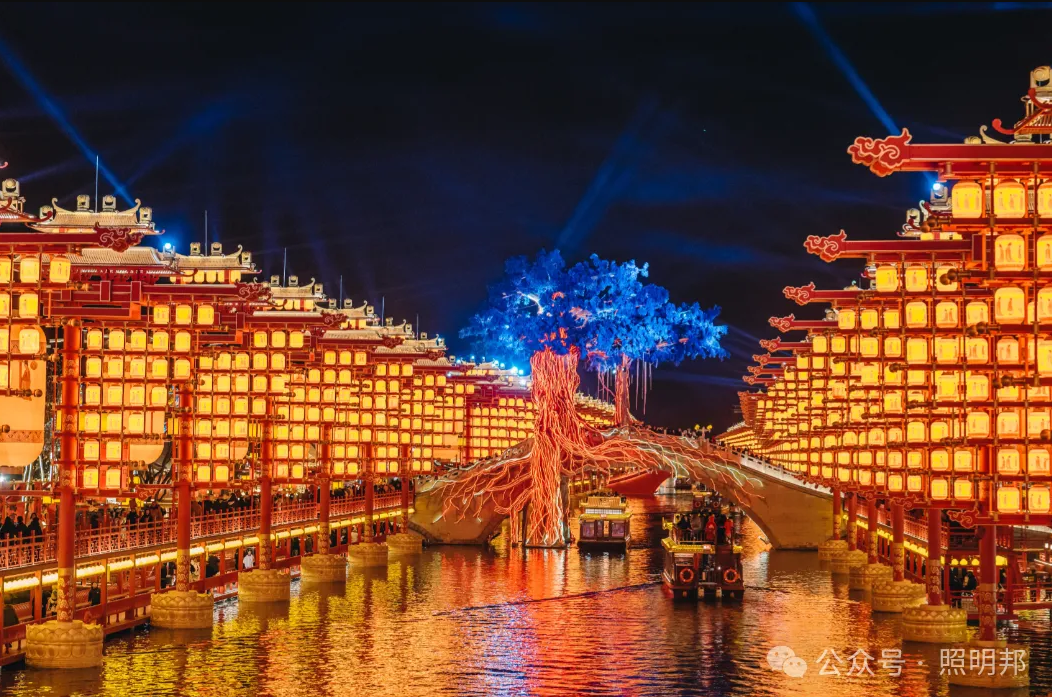
First, products and supply chains are relatively controllable.
Unlike ordinary scenic spots that lease stalls to vendors who sell independently, many categories here are self-operated or jointly operated, with direct management of stalls rather than simple outsourcing. Tangshan Banquet even has its own supply chain factories and distribution centers to ensure quality from the source.
Second, they aim to build visitor trust through service.
"Refund-only" is not just a gimmick; it's about taking responsibility upfront, letting visitors know that if something is wrong, someone will handle it, and they won't be passed around.
In short, they dare to offer refunds not because they aren't afraid of losses, but because they've already done their best to solidify products, pricing, vendors, and service processes.
This principle applies equally to the cultural tourism lighting industry.
Whether you dare to take responsibility for the experience depends not on slogans but on whether design, construction, operations, and maintenance are truly solid.
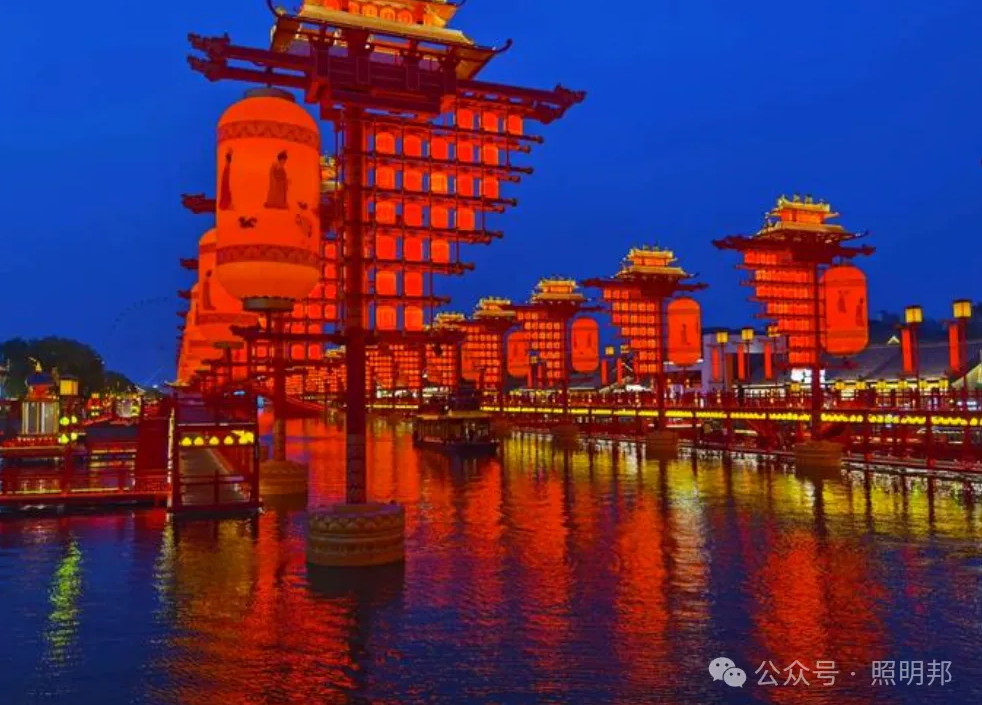
1. Cultural Tourism Lighting Cannot Just Be About Lighting Up
In the past, nightscape projects followed a common process: design, construction, acceptance, and lighting up.
Once the lights were on and the effect was acceptable, the project was essentially complete.
This process works fine for ordinary engineering projects.
But cultural tourism projects are different.
A cultural tourism project truly begins the moment visitors step in.
If a nightscape project only looks good on the day it's lit, and no one cares about how visitors move, stop, or spend money afterward, then it's just an engineering project.
A truly great cultural tourism nightscape should be accountable for the real visitor experience.
2. A Beautiful Rendering Doesn't Mean It Works On-Site
When I worked on lighting projects before, I often saw this situation:
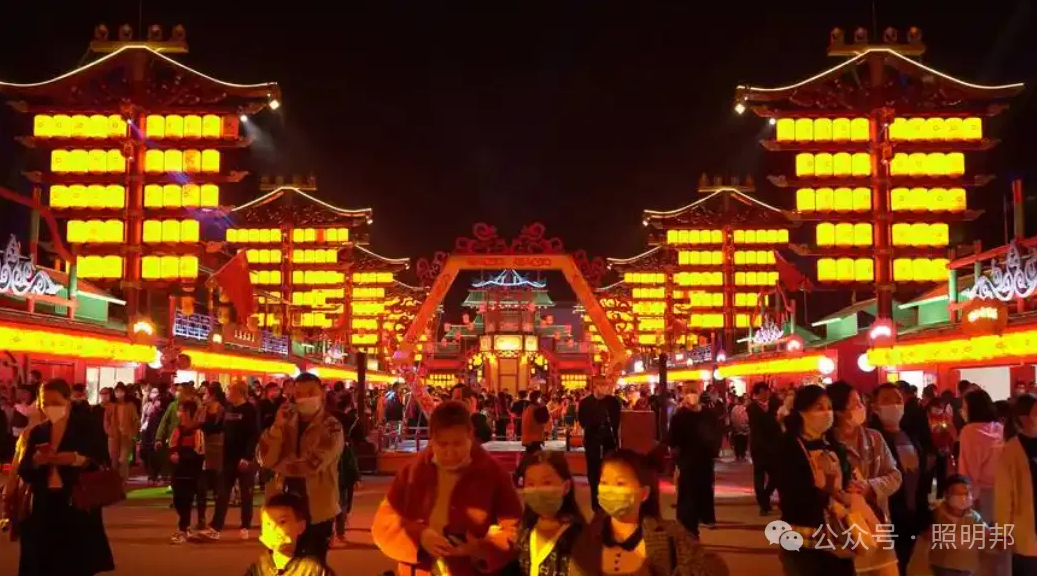
The design renderings looked vibrant and could be presented well, but when it came to the actual site, details like visitor flow paths, stopping points, photo spots, shop entrances, steps, and corners were rarely discussed seriously.
Yet these are exactly what visitors truly experience.
Visitors don't evaluate lighting with professional terms.
They just feel whether the place is enjoyable to stroll, safe, and worth lingering.
So cultural tourism lighting cannot just pursue a beautiful view from afar.
Whether a building is bright or lights are dazzling is certainly important.
But visitors don't experience the city through aerial shots.
They walk on the streets, eat in shops, take photos by the river, and may stroll slowly with children or elderly family members.
At that point, lighting needs to address not just "brightness" but whether people feel comfortable within the space.
3. Nightscape Projects Need an Operations Mindset
Many nightscape issues are invisible in renderings.
Where it's too dark, too glaring, where no one stops, or where it affects shop business—these only become apparent once visitors arrive.
Therefore, urban nightscapes cannot remain in the construction phase; they must enter an operational phase.
Of course, this doesn't mean lighting companies should take over all scenic area operations.
That's unrealistic.
But at least during the planning stage, one should ask more often:
What outcome is this lighting ultimately serving?
Is it for safety?
Is it for photography?
Is it for commercial dwell time?
Or is it to make the entire street more memorable at night?
If this question isn't clarified, projects easily end up with "lights on, but no one stays."
4. The Future Is Not About Brighter Lights, But About Understanding People Better
Tangshan's cultural tourism "refund-only" move is bold, but more importantly, it makes visitors feel: this place is willing to take responsibility for the experience.
Urban nightscapes should also adopt this mindset, because ultimately, a city's image comes down to people's feelings.
For lighting designers and companies, there's a very practical reminder here:
Lighting is just a means.
Visitor experience is the result.
Future nightscape projects may no longer be just image projects; they should become user experience projects.
Because what visitors ultimately remember may not be how bright a building is or how dazzling the lights are.
Instead, it's whether the place is enjoyable to visit at night, safe, and worth returning to.
And whether, in this city, they were treated with care.
Need night lighting effect images fast?
Use Anylight to turn your daytime photos into professional night lighting visuals for architectural lighting, landscape lighting, cultural tourism lighting, and more.